
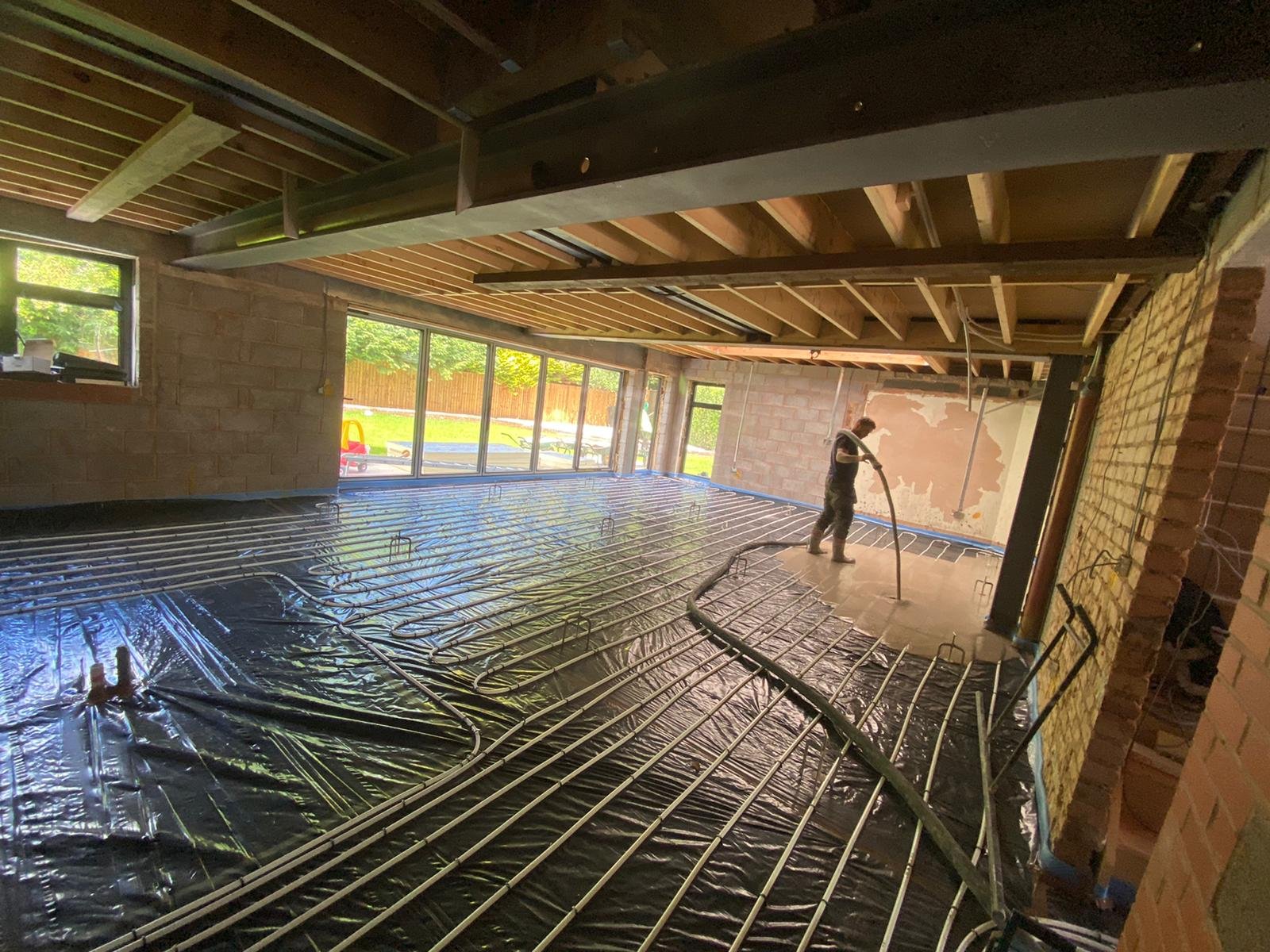
Our Services
By managing the entire flooring buildup—from the initial concrete subfloor and damp/gas-proof membranes to the insulation and expansion edging—we provide a level of quality control that piecemeal contractors simply cannot match. Every layer of a floor is dependent on the one beneath it; by overseeing the full process, we ensure that membranes are perfectly sealed, insulation is laid without gaps to prevent heat loss, and expansion strips are correctly positioned to protect your floor from future cracking. This "complete package" approach doesn't just result in a flatter, more thermally efficient, better finish, it gives you the ultimate peace of mind and long-term security, knowing that every structural and protective element has been installed to the highest professional standard by a single, accountable team.
The Power of the Complete Package
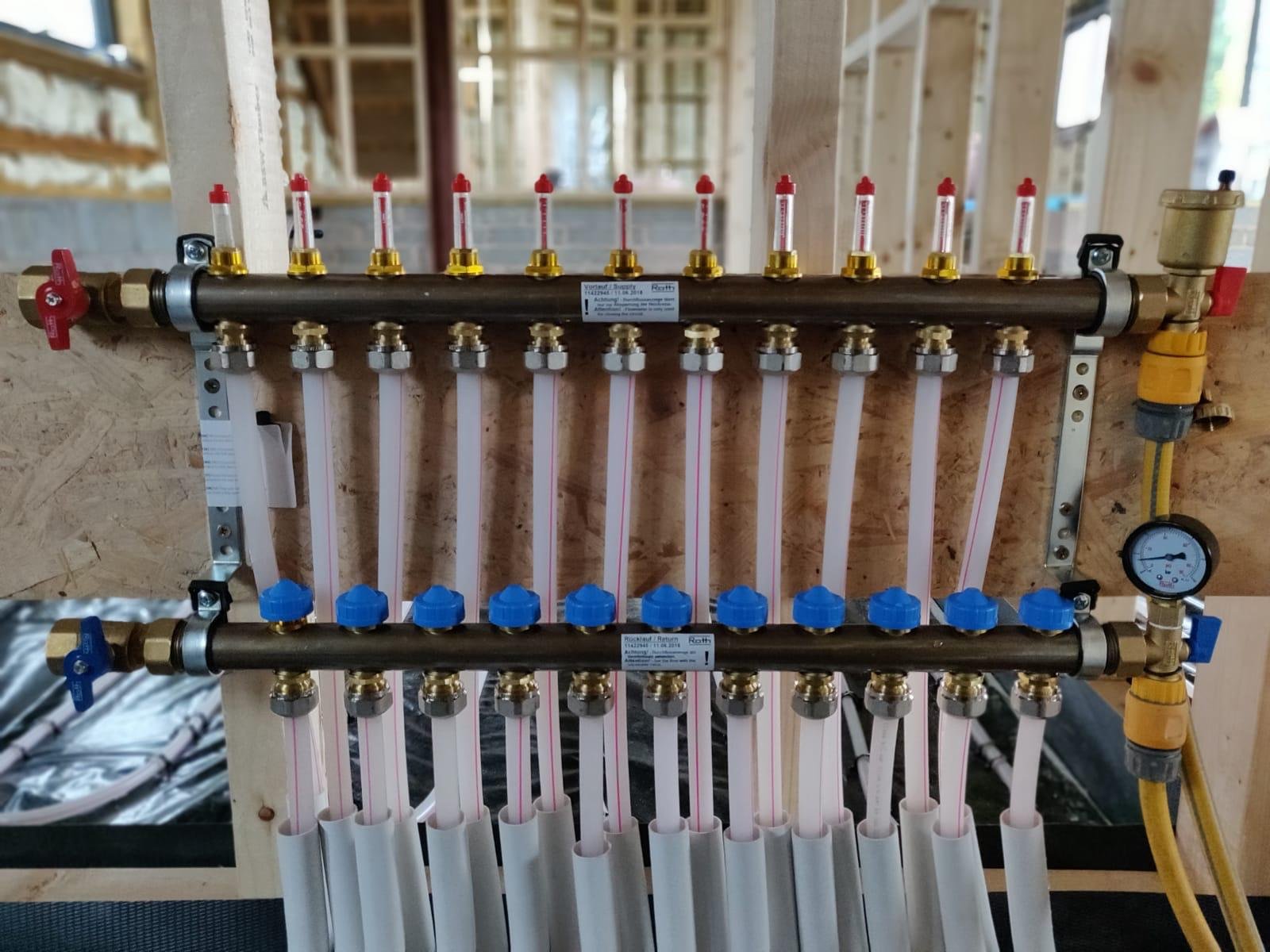
Underfloor Heating/Cooling
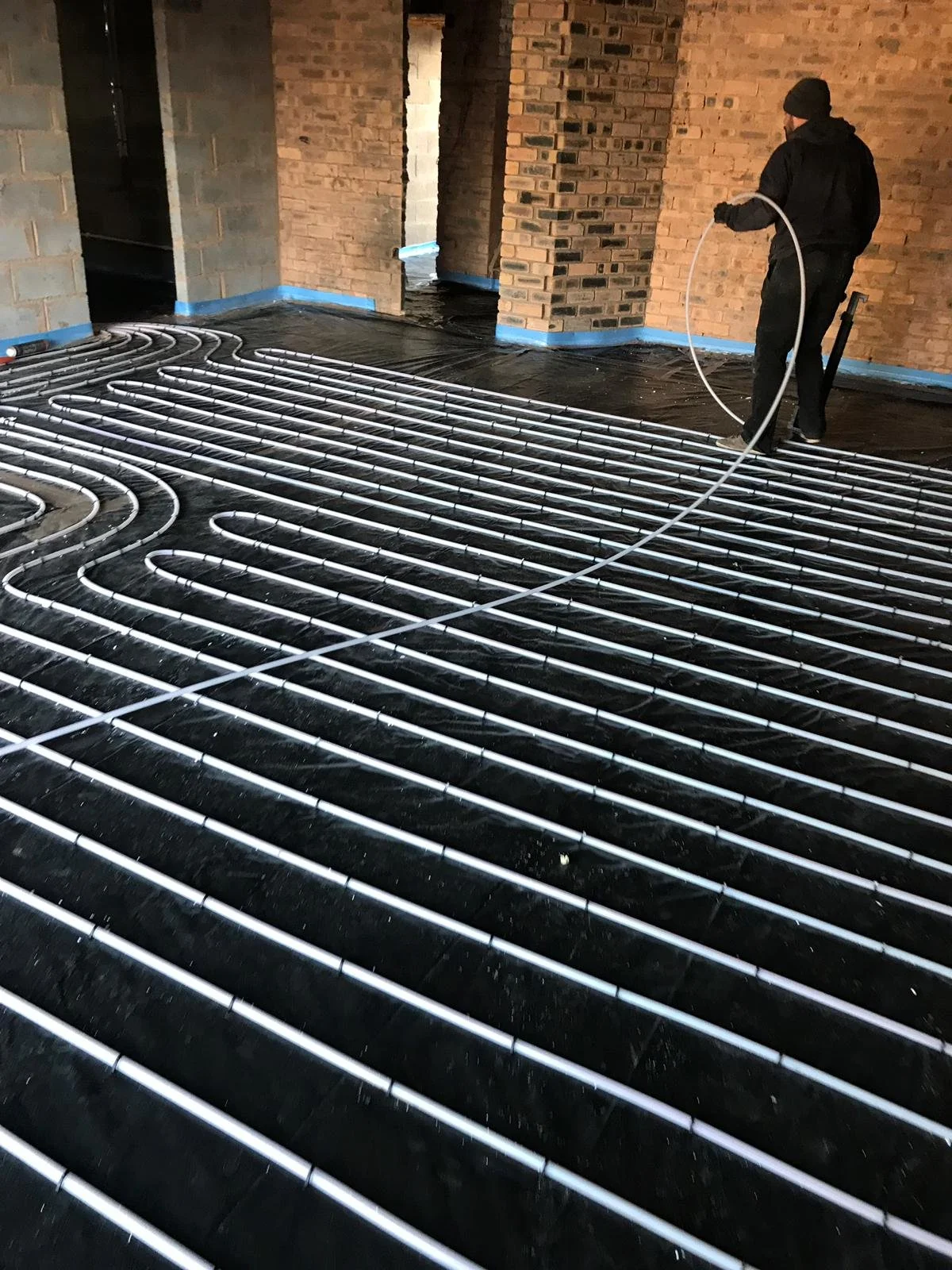
Underfloor heating and cooling systems represent the pinnacle of modern climate control, offering a level of unparalleled comfort and efficiency that traditional radiators and air conditioning units simply cannot match. By utilizing radiant heat, these systems warm people and objects directly from the ground up. In the summer, the same infrastructure can circulate chilled water to gently absorb heat, providing a refreshing environment without the noise or dry air of forced-air systems. Beyond comfort, underfloor solutions are significantly more energy-efficient, often reducing utility bills by up to 25% due to their lower operating temperatures and compatibility with renewable energy sources like heat pumps.
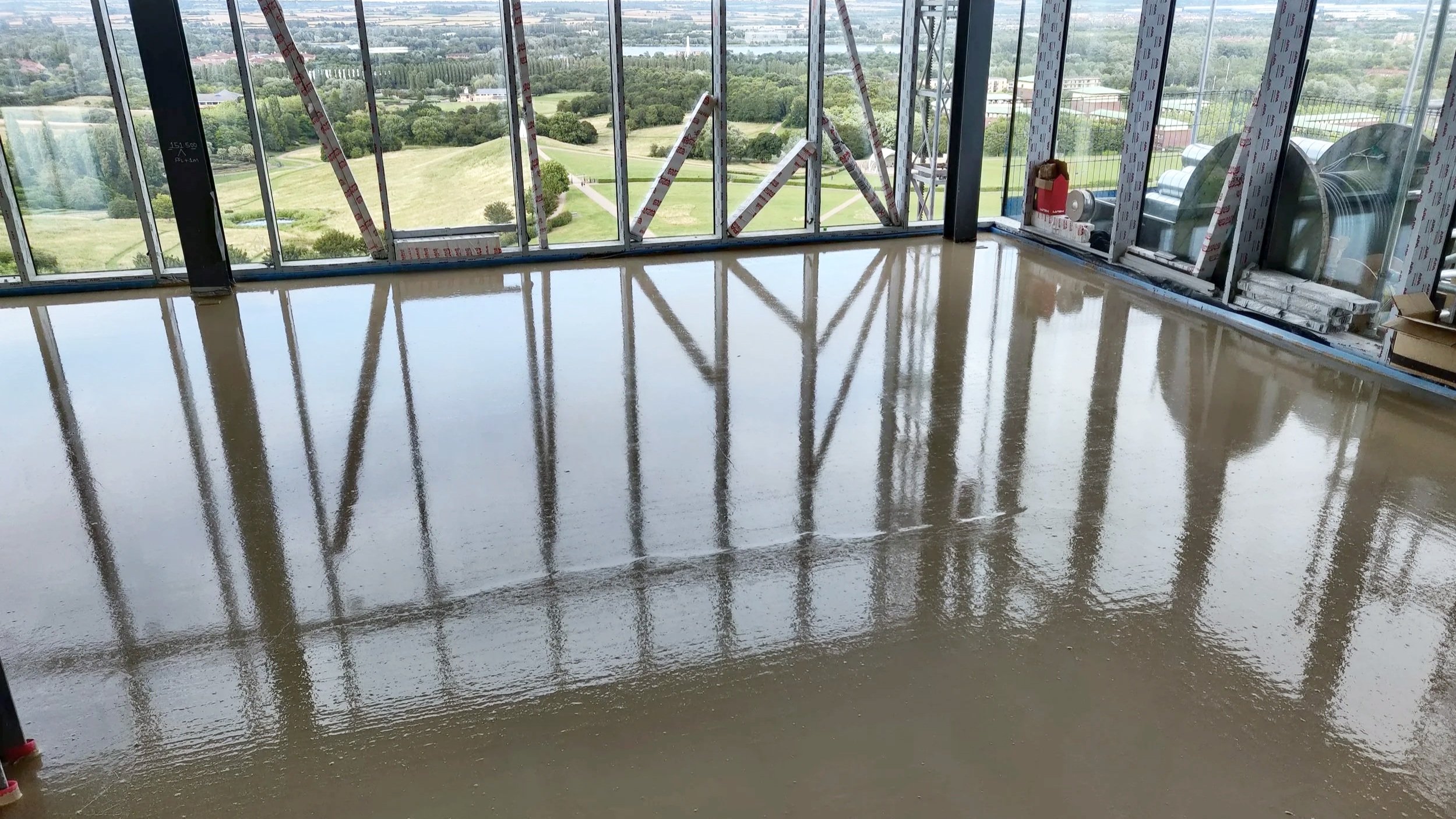
Liquid Screeds
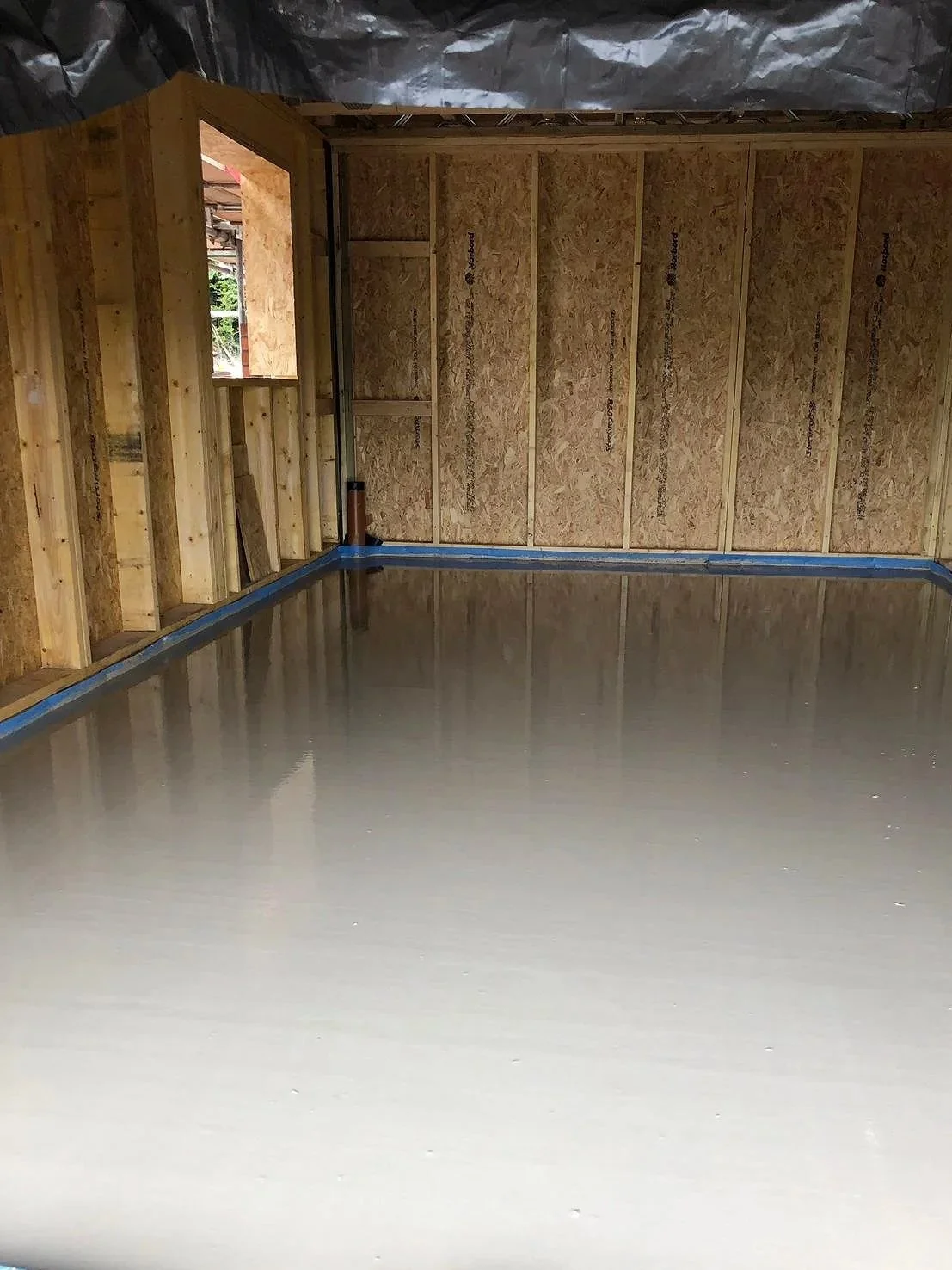
Liquid screed is the gold standard for achieving a perfectly level floor. Unlike traditional sand-and-cement mixes that rely on human accuracy, liquid screed is pumped onto the substrate, typically achieving a surface regularity of SR2 or better (less than 5mm deviation over a 3-meter span). When used with underfloor heating, its liquid state allows it to completely surround the pipes, eliminating the air pockets that act as unwanted insulation in traditional floors. This creates a "thermal bridge" that increases heating efficiency by up to 30% and ensures a uniform temperature across the entire surface. Even without heating, liquid screed remains the superior choice for modern renovations; it can be laid much thinner than traditional options (as low as 12mm), which saves on weight and ceiling height while providing an incredibly robust, crack-resistant base that is ready for tiles, wood, or vinyl in a fraction of the time.
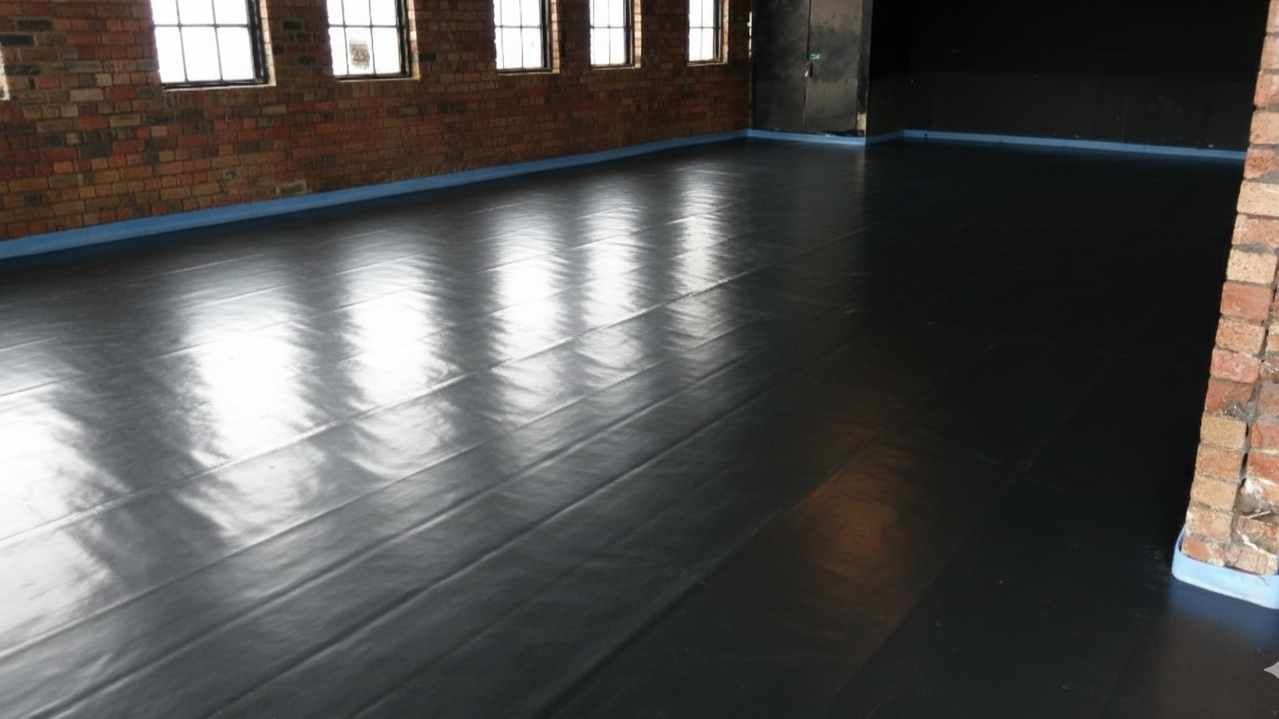
Separating Membrane/Perimeter Strip
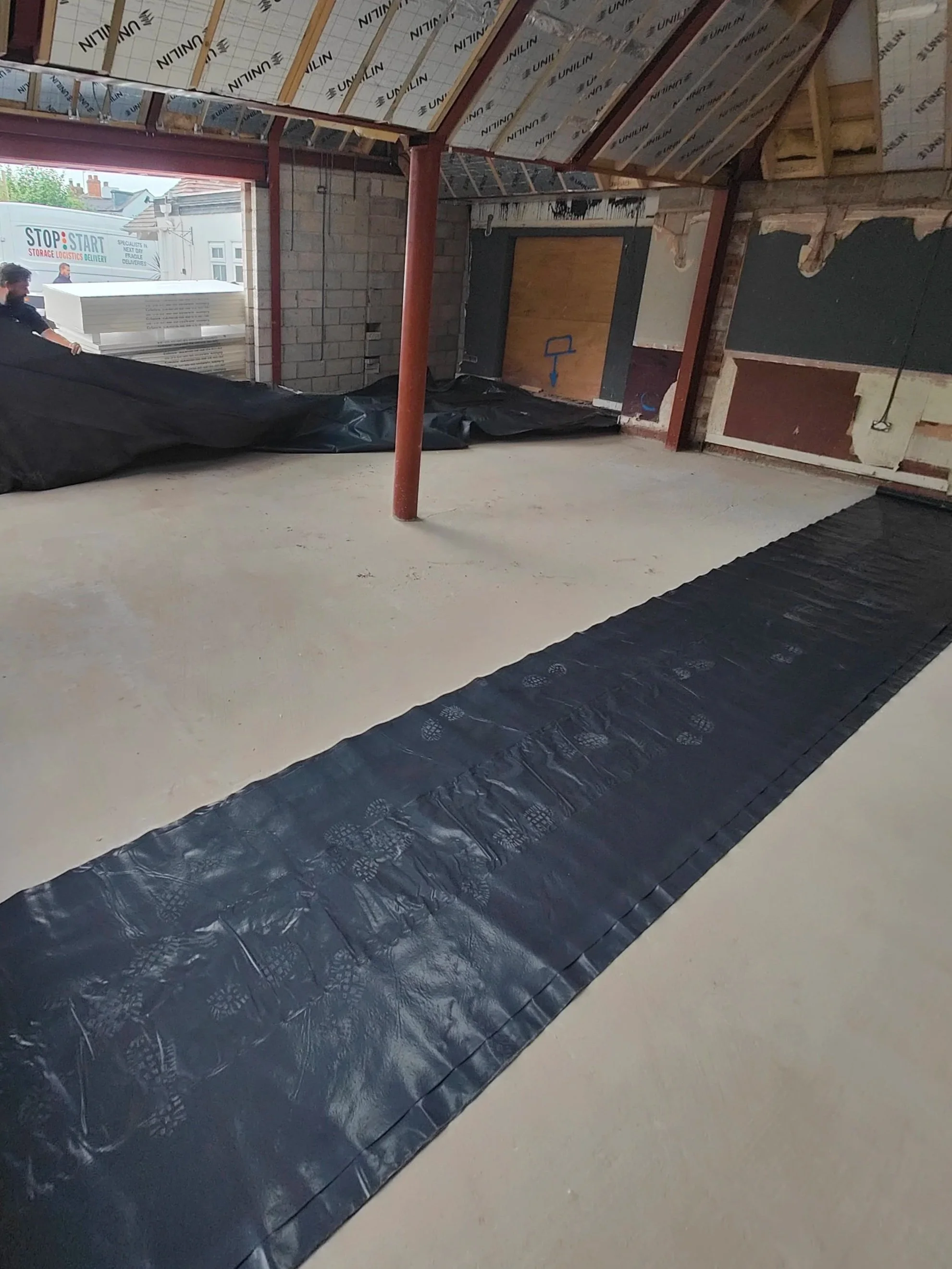
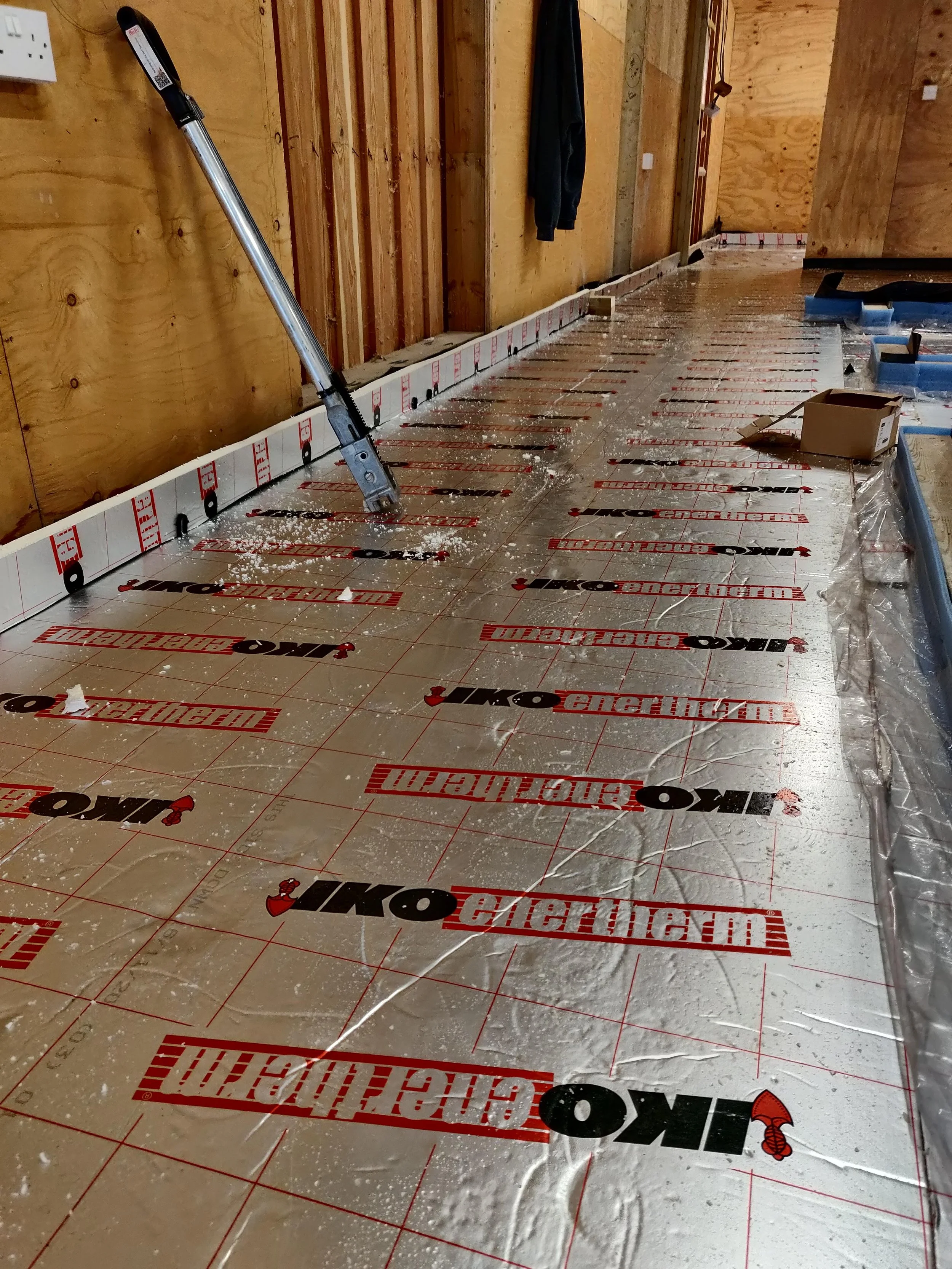
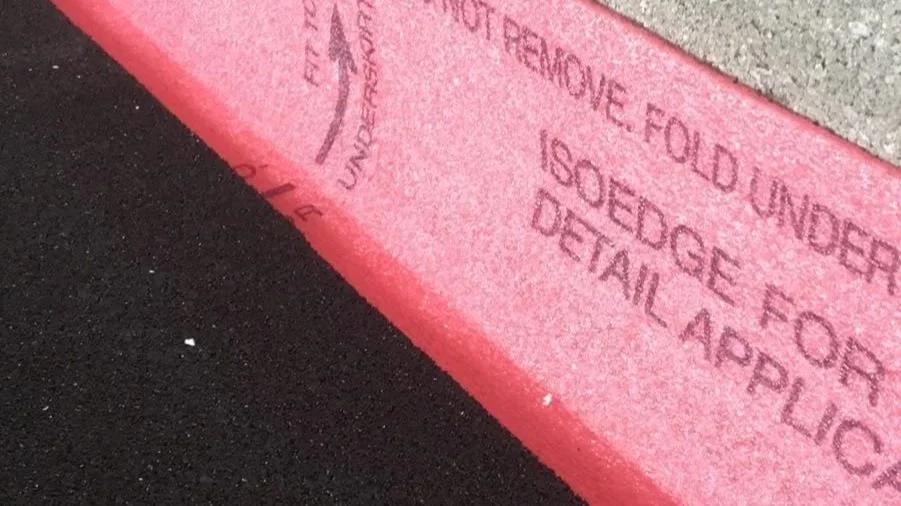
A correctly sealed separating membrane and perimeter strip are the "unsung heroes" of a high-quality screed installation, acting as the primary defence against structural failure and energy waste. The separating membrane (typically a 500-gauge polythene layer) serves as a "tanking" system; by meticulously taping all joints and sealing it to the perimeter edging, we create a watertight vessel that prevents the liquid screed from leaking into the insulation or subfloor. This is crucial because any leakage can cause "bridging," where the screed bonds to the structure, or create chemical reactions with foil-faced insulation that produce weakening gas bubbles. Complementing this, the perimeter strip provides a vital 8–10mm compressible buffer around the room's edges. This strip allows the floor "slab" to expand and contract freely as it heats up and cools down, preventing the massive internal stresses that lead to unsightly cracking or "tenting" against the walls. Furthermore, our precision-fitted edging acts as a thermal break, significantly reducing heat loss through the building's external walls and ensuring your underfloor heating remains both efficient and structurally sound for decades.
Insulation
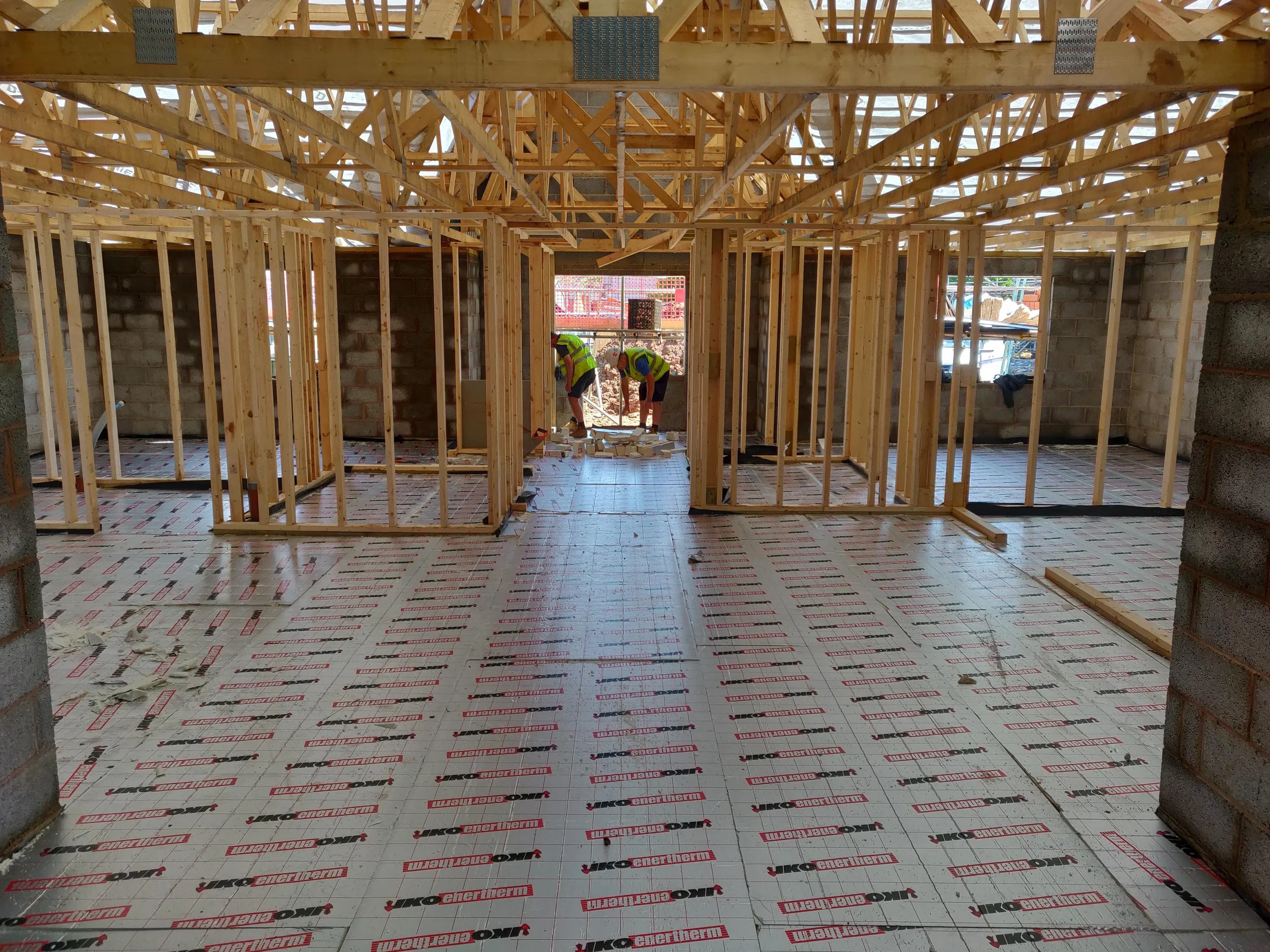
Our company specializes in the precision installation of high-performance insulation, a critical yet often overlooked foundation for any successful underfloor heating system. Without expert insulation, up to 20% of your heat can be lost into the subfloor or the ground below, forcing your system to work harder and driving up energy costs. Our team uses industry-leading materials like graphite-enhanced EPS and PIR rigid boards, which act as a powerful thermal barrier to reflect heat exactly where you want it: upwards into your living space. By ensuring a 100% gap-free fit and utilizing specialized reflective foil layers, we significantly reduce the system's "warm-up time" and allow it to operate at much lower, more efficient temperatures. This "fabric-first" approach not only guarantees a consistently cozy environment without cold spots but also extends the lifespan of your heating system by reducing operational strain.
Gas/Damp Proof Membrane
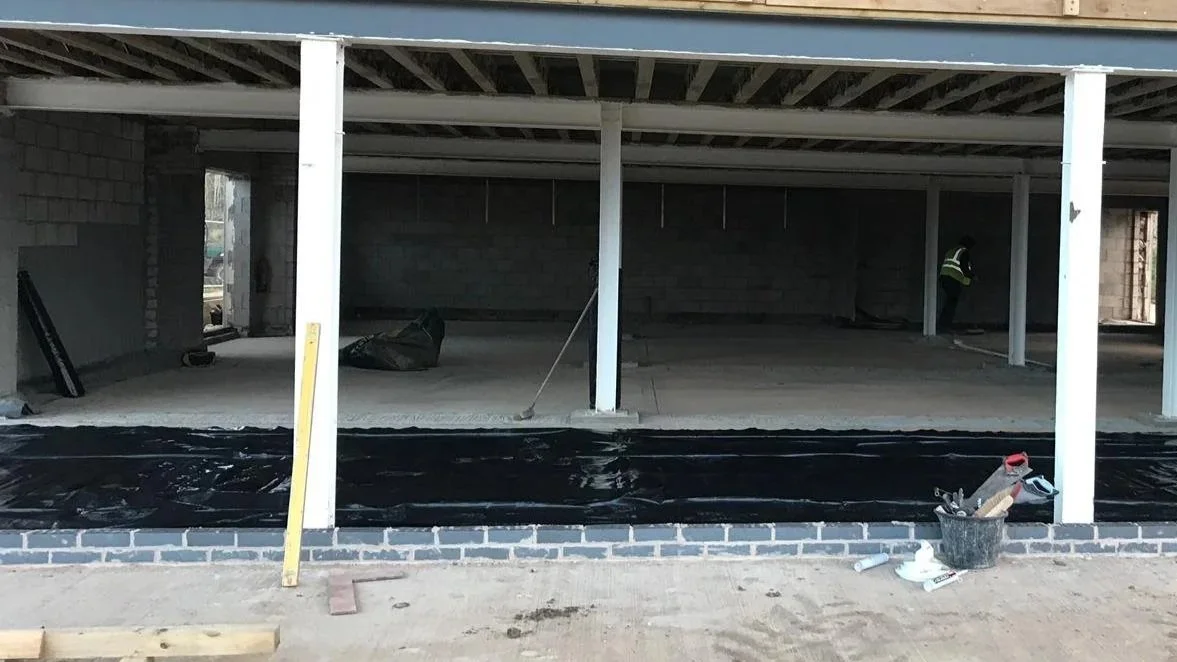
A quality gas and damp proof membrane (DPM) is an invisible but essential safety and performance barrier for any modern building, particularly when underfloor heating is involved. Its primary role is to block rising moisture and hazardous ground gases—such as Radon, Methane, and Carbon Dioxide—from seeping through porous concrete and into your living space. Without a high-grade membrane (typically 1200 gauge or higher), moisture can cause devastating structural issues, including timber rot, warped floorboards, and the growth of toxic mould. By ensuring a continuous, puncture-resistant seal that is correctly lapped and taped, we provide a foundation that not only meets strict UK building regulations but also safeguards your health and the long-term integrity of your investment.
Concrete Subfloors
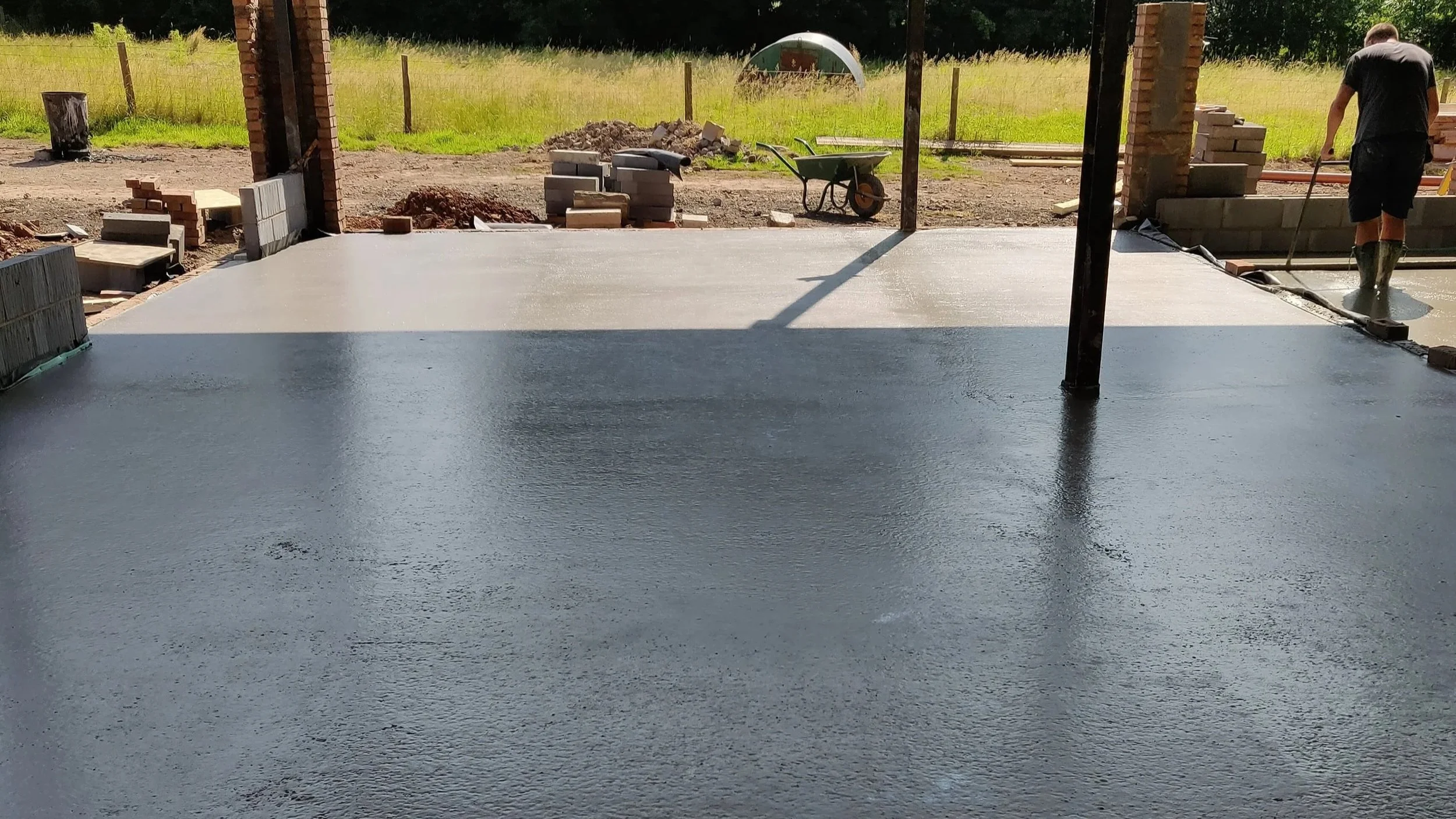
A correctly installed concrete subfloor is the fundamental "bedrock" of any flooring project, serving as the structural base that determines the longevity and finish of everything laid above it. The primary importance of a high-quality subfloor lies in its structural stability. Furthermore, the subfloor must be installed with precise levelness to avoid "high spots" that could lead to thin, weak areas in the overlying liquid screed, or "low spots" that require excessive material and increase costs. For projects involving underfloor heating, a flat and debris-free concrete base is essential to ensure that the gas/damp-proof membranes and insulation boards sit perfectly flush, preventing air pockets that would otherwise act as thermal insulators and reduce the system's efficiency. By ensuring the concrete is laid to the correct specification and allowed to reach its required compressive strength, you create a stable, dry, and level foundation that protects your investment from shifting, sinking, or damp-related failure.
Self Levelling Compounds
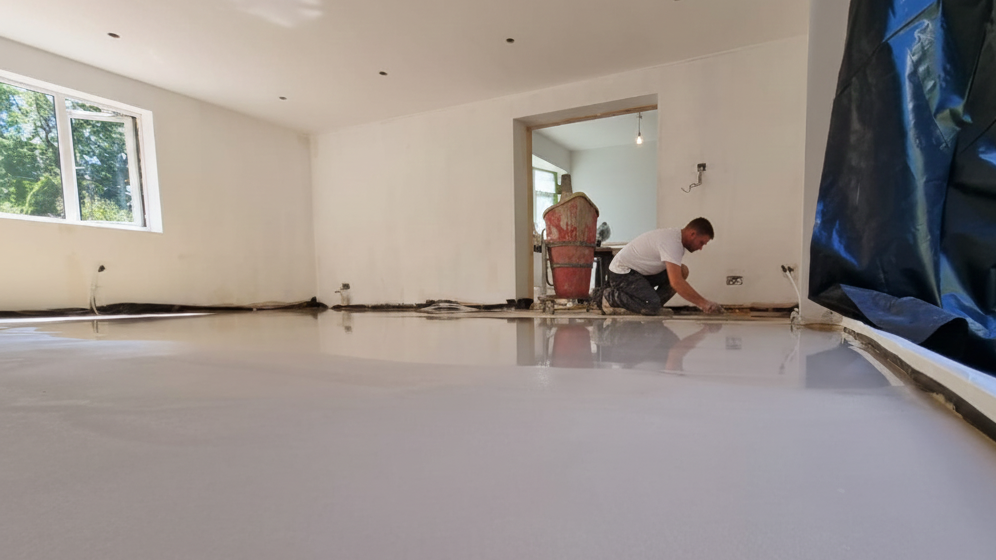
Self-levelling compound (SLC) is a transformative solution for floor renovations, capable of turning pitted, uneven, or damaged substrates into a glass-smooth foundation ready for any high-end finish. Its primary benefit lies in its fluidity and "self-smoothing" properties, which allow it to flow into low spots and "feather out" over ridges that traditional screeds cannot rectify at thin depths. This makes it the go-to choice for correcting minor deviations (typically 1-10mm) or for covering low-profile underfloor heating systems without significantly raising the floor height. However, "self-levelling" does not mean "self-installing," and the importance of professional execution cannot be overstated. Without meticulous surface preparation the compound can suffer from "pinholing," debonding, or cracking. A professional installation ensures the precise water-to-powder ratio is met to maintain structural integrity and uses specialized tools like spiked rollers to remove trapped air, guaranteeing a dense, durable, and perfectly flat surface that will support your final flooring for decades.
Acoustic Detail
Acoustic detailing is a critical component of high-performance flooring, designed to minimize the transmission of both impact sound (footsteps or dropped objects) and airborne sound (voices or music) between building levels. The primary method for achieving superior sound insulation is through a "floating floor" construction, where the screed is physically decoupled from the subfloor and walls. Key acoustic details include high-density acoustic mineral wool or resilient underlays (such as recycled rubber or cross-linked polyethylene), which act as a shock absorber to "dampen" vibrations before they can enter the building's structure. Furthermore, the use of perimeter isolation strips is essential to prevent "acoustic bridging," ensuring that the floor slab does not touch the walls, which would otherwise allow sound to travel laterally through the brickwork. By incorporating these details, particularly in multi-occupancy buildings or apartments, you can achieve significantly higher decibel reduction ratings, often exceeding the requirements of Building Regulations, resulting in a quieter, more private, and premium-feeling environment.
Self Compacting Concrete
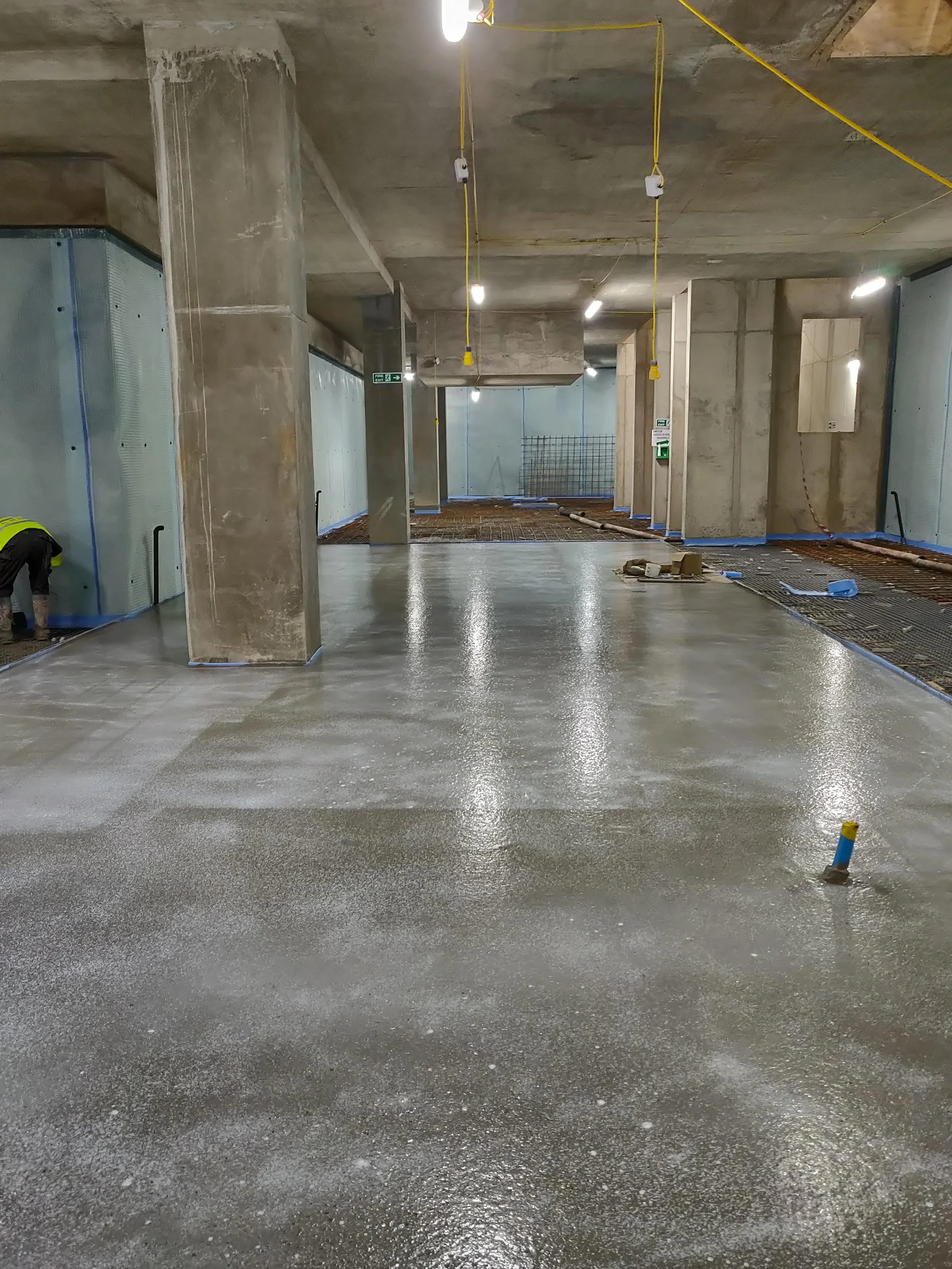
Self-compacting concrete (SCC) floors offer a transformative approach to large-scale flooring, combining the structural strength of traditional concrete with the fluid, levelling properties of a liquid screed. The primary benefit of SCC is its ability to flow effortlessly under its own weight, ensuring 100% encapsulation of reinforcement steel and underfloor heating pipes without the need for mechanical vibration. This results in a much denser, more uniform slab with a superior surface finish. However, the importance of a professional installation is critical; SCC is a highly technical "designer" mix that requires precise moisture control. If the mix is slightly off or the pour rate is unmanaged, the aggregate can settle (segregate), leading to a weak surface layer or structural inconsistencies. Our expert team ensures the mix is perfectly calibrated for the specific site conditions, delivering a high-strength, durable floor that meets exact "SR2" flatness tolerances.
Sanding/Laitance Removal
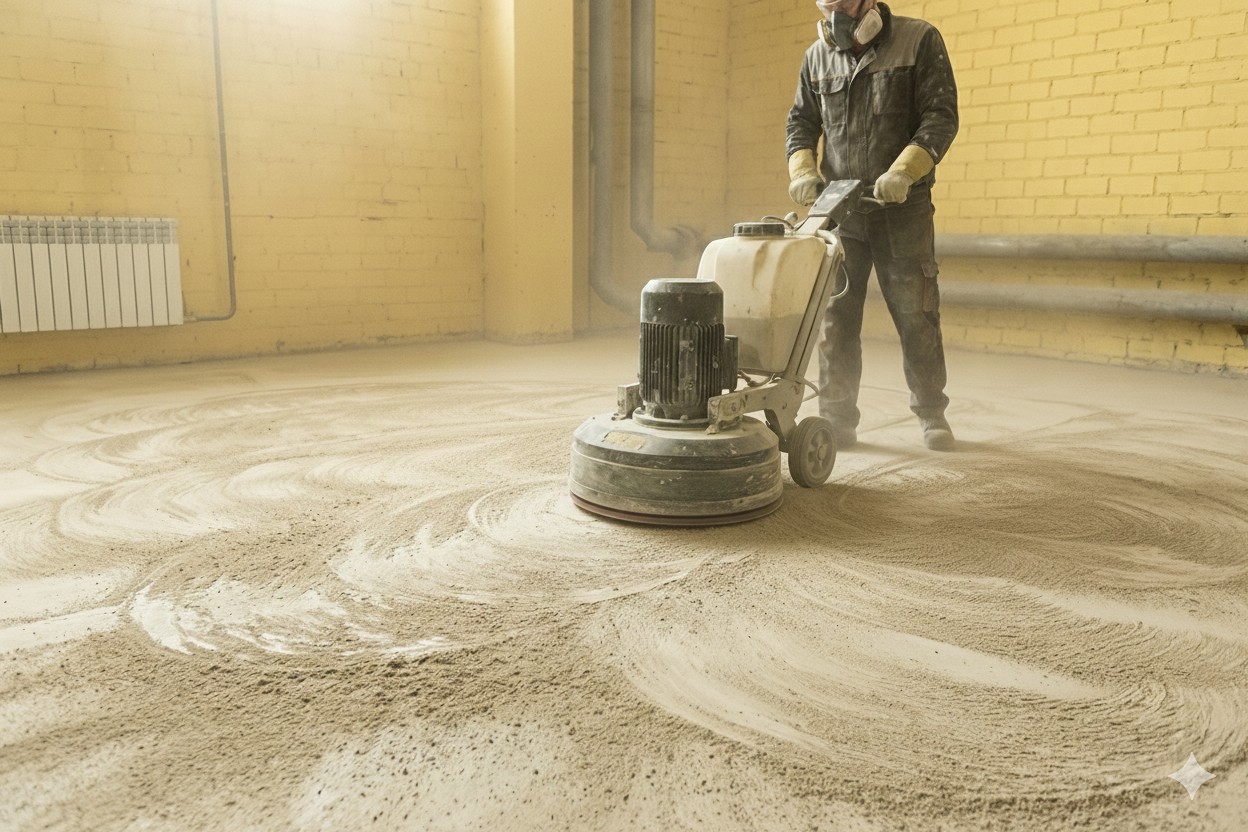
Removing laitance is a critical step in floor preparation because it addresses a weak, dusty "crust" that naturally forms as liquid screed (particularly anhydrite types) cures. This layer consists of fine particles and excess water that rise to the surface, creating a fragile barrier that lacks structural integrity. If left in place, floor adhesives and primers will bond to this unstable film rather than the solid screed underneath, leading to catastrophic "bond failure" where tiles, vinyl, or timber may lift, crack, or delaminate. Furthermore, this surface skin acts as a seal that traps moisture within the slab; removing it via mechanical sanding—typically 5 to 14 days after pouring—opens the screed's "pores," significantly accelerating the drying process and ensuring the substrate is dry enough for final floor coverings.